

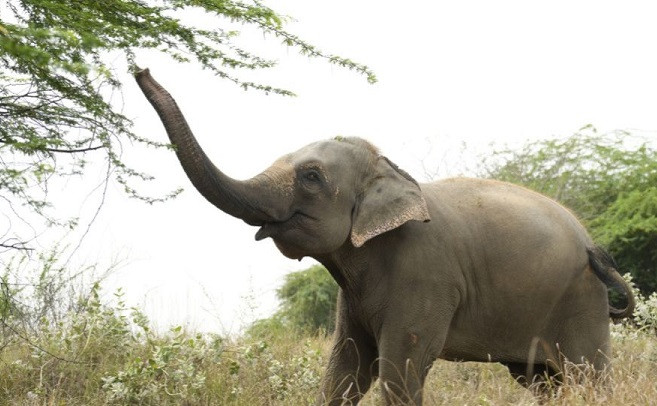
Rajasthan,15 अप्रैल 2026 (यूटीएन)। This Save The Elephant Day, Wildlife SOS highlights the threats faced by elephants in India, drawing attention to exploitative tourism alongside pressing conservation challenges such as habitat loss and human–elephant conflict. As the world observes Save the Elephant Day on April 16, it serves as a crucial reminder of the urgent need for elephant conservation, addressing habitat loss, human–elephant conflict, and the continued exploitation of Asian elephants, particularly within the tourism industry. Globally, Save the Elephant Day underscores the importance of safeguarding endangered elephant populations and protecting their natural habitats. In India, where Asian elephants hold ecological and cultural significance, the need for ethical and sustainable conservation practices is the need of the hour / is all the more critical.
In popular tourist destinations such as Rajasthan, elephants are frequently used to ferry visitors on joyrides, a practice that raises serious welfare concerns. These animals are often subjected to long working hours, inadequate rest and harsh training methods that rely on negative reinforcement through fear and punishment. Prolonged periods of standing on hard surfaces, carrying excessive weight, and exposure to extremely hot weather contribute to chronic health issues, including foot disorders, joint degeneration and stress-related behavioural problems.
The recent death of an elephant named Chanchal has again drawn attention to the harsh realities behind such practices. Used for a photoshoot meant for an art project, where she was painted entirely pink with a model sitting on her back, Chanchal’s condition and subsequent death have sparked outrage over stricter enforcement of animal welfare laws. Elephant rides in cities like Jaipur are often framed as “heritage” and “authentic” cultural experiences. But elephants like Chanchal remain part of the tourism economy, walking long hours and carrying people on a heavy saddle under the scorching sun.
To combat such ill-treatment, Wildlife SOS rallies against the use of elephants in unethical tourism through its ‘Refuse To Ride’ campaign, encouraging responsible travel that supports ethical conservation and protects elephants in the wild. Responsible tourists who truly care about the future of these majestic beasts must visit refusetoride.org to learn the truth. Sign the petition, 53,848 voices have already joined the movement. Help us reach 75,000 signatures.
Kartick Satyanarayan, Co-founder and CEO, Wildlife SOS, said, “Exploitation does not survive in isolation. It survives through demand. By choosing not to participate in elephant rides and similar attractions, individuals can reduce demand. Save the Elephant Day is not just about celebrating these magnificent animals, but also about protecting them from further harm.”
Geeta Seshamani, Co-founder and Secretary, Wildlife SOS, said, “Elephants are not props, nor are they passive participants in such interactions. They are individuals with complex physical and emotional needs that are never meant for a life of begging, rides or performances. If Chanchal’s story has moved you, then that discomfort must translate into action. It must lead people to stop riding elephants, to walk away from the spectacle, and to recognise the cost behind these experiences.”
Baiju Raj M.V, Director of Conservation Projects, Wildlife SOS, added, “Today, about 300 elephants across India continue to suffer. Through our Begging Elephant Campaign, we aim to end this cruel practice of ‘begging’ elephants in India by 2030, rescuing abused elephants from urban streets, wedding processions and temples used for begging, providing them long-term medical care and sanctuary. Our initiatives, like Haathi Sewa, India’s first mobile veterinary clinic, have helped deliver critical on-ground veterinary care to nearly 200 captive elephants in need across different states of India since its launch in 2025.”
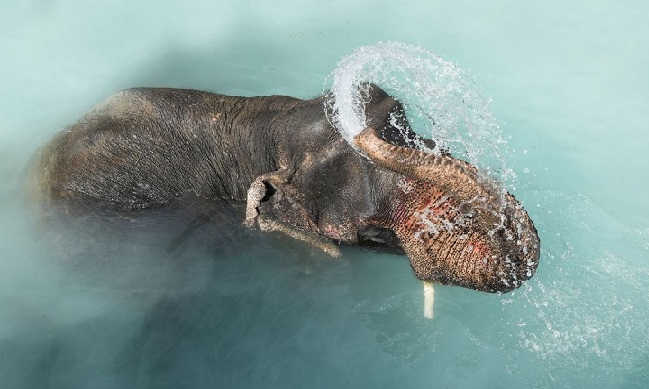
Wildlife SOS has been at the forefront of rescuing and rehabilitating elephants from exploitative conditions, providing them with lifelong care at its elephant conservation and care centres. Through veterinary expertise, enrichment, and a near-natural environment, the organisation aims to restore dignity and well-being to elephants rescued from abuse.
Shrestha Pachauri
senior press officer
Wildlife SOS.